20 Jun 2026
Baroness Twycross Outlines Government Focus on Illegal Gambling Advertising During Lords Committee Hearing

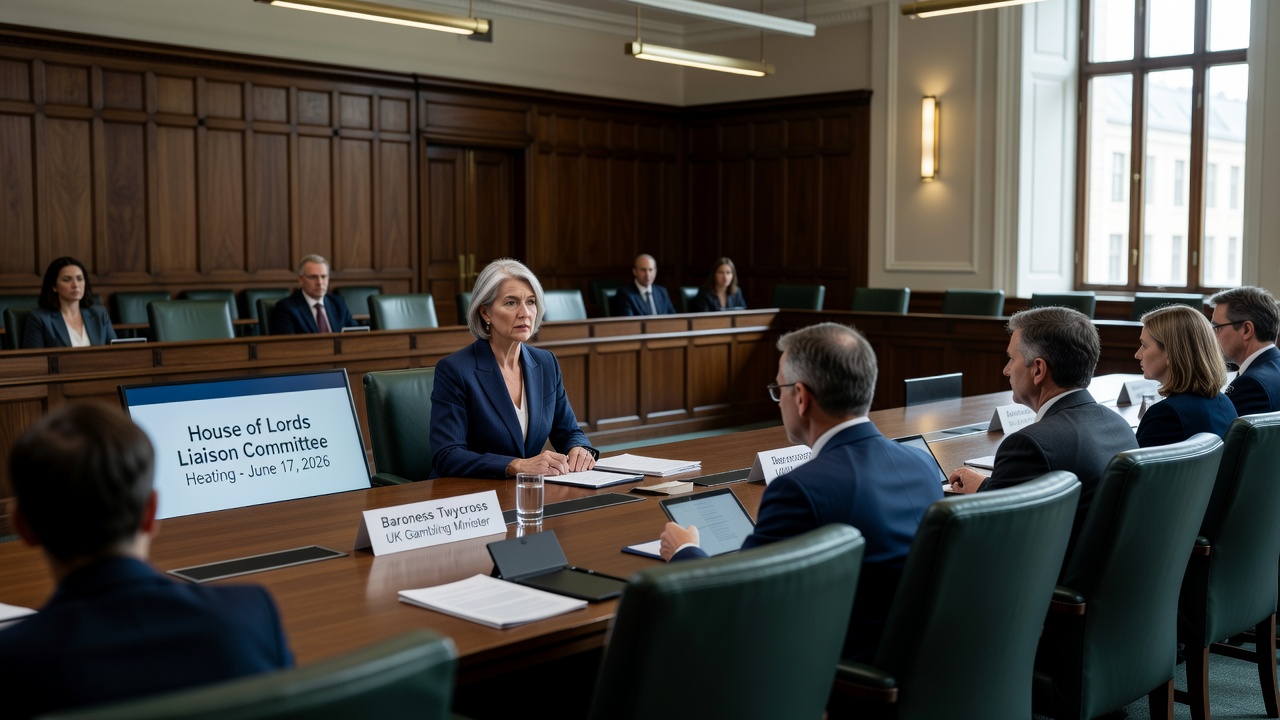
On June 17, 2026, UK Gambling Minister Baroness Twycross addressed the House of Lords Liaison Committee and placed cracking down on illegal gambling advertising at the forefront of current priorities. Her remarks centered on protecting the licensed market, securing tax revenue, and steering consumers away from unregulated operators that operate outside established oversight. The minister confirmed that the government has no immediate plans to introduce further legislation targeting advertising by licensed operators, yet she emphasized the need for evidence-based approaches in all future decisions.
Key Priorities in the Statement
Baroness Twycross stressed that enforcement against illegal promotions forms part of wider action against black-market activity, including closer examination of sponsorship deals and social media promotions that reach UK audiences without proper controls. Observers note that this focus aligns with ongoing efforts to maintain revenue streams that support public services while reducing exposure to operators who bypass licensing requirements. Data from regulatory bodies in similar jurisdictions, such as those tracked by the New South Wales gambling authority, shows measurable shifts in consumer behavior when enforcement tightens around unlicensed channels.
Collaboration emerged as a central theme in the minister's comments. She highlighted work with the Advertising Standards Authority to monitor and respond to non-compliant promotions, alongside direct engagement with social media platforms that host much of the disputed content. The newly formed Illegal Gambling Taskforce received specific mention as a vehicle for coordinated action across government and industry stakeholders. Those who've tracked similar initiatives in other regions, including reports from the National Council on Problem Gambling in the United States, point to joint task forces as effective structures for sharing intelligence and accelerating enforcement.
Context of Broader Enforcement Efforts
The June 2026 remarks arrive during a period of intensified scrutiny on sponsorship arrangements that link gambling brands with sports and entertainment events. Social media promotions have drawn particular attention because they often reach younger demographics through algorithms that licensed operators must navigate under stricter rules. Researchers at academic institutions studying digital advertising patterns have documented how unregulated promotions can migrate audiences toward offshore sites, a trend that reduces both tax contributions and consumer protections available under UK licensing frameworks.
Evidence-based policy remains the stated foundation for any next steps. Baroness Twycross referenced ongoing data collection that will inform decisions rather than reactive measures, which aligns with practices seen in regulatory reviews conducted by bodies such as the Canadian provincial gaming commissions. This approach allows officials to assess the reach of illegal advertising, quantify revenue leakage, and evaluate the effectiveness of platform-level interventions before considering new statutory requirements.
Role of the Illegal Gambling Taskforce
The Illegal Gambling Taskforce, referenced directly in the committee session, brings together multiple agencies to target operators and promoters who circumvent licensing. Its formation reflects recognition that illegal advertising often operates across borders and through rapidly changing digital channels. Committee members heard that taskforce activities will include monitoring sponsorship visibility and working with platforms to remove content that violates existing codes. People familiar with enforcement patterns note that such taskforces typically produce quarterly intelligence reports that feed into wider policy reviews.
Tax revenue protection formed another explicit element of the minister's position. Unlicensed operators do not contribute to the duties and levies that licensed businesses pay, creating an uneven competitive landscape. Government figures indicate that shifting consumer activity back toward regulated channels could stabilize these revenue sources over time. Similar calculations appear in analyses produced by the Australian Institute of Criminology, which has examined cross-border gambling flows and their fiscal implications for domestic markets.
Next Steps and Ongoing Monitoring
No immediate legislative changes for licensed operator advertising were signaled during the session. Instead, the emphasis stayed on strengthening existing tools through the Advertising Standards Authority and platform partnerships. This measured stance allows time for the Illegal Gambling Taskforce to deliver initial findings that can guide any future adjustments. Stakeholders in the licensed sector continue to receive updates through established consultation channels, ensuring that policy development incorporates operational realities on the ground.
Conclusion
Baroness Twycross's June 17, 2026 appearance before the House of Lords Liaison Committee clarified government priorities around illegal gambling advertising without introducing new restrictions on compliant operators. The combination of taskforce coordination, platform engagement, and evidence gathering sets the framework for actions that aim to safeguard both market integrity and public revenue. Continued monitoring of sponsorship and social media activity will determine how these priorities translate into measurable enforcement outcomes in the months ahead.