27 Jun 2026
Charting Electronic Transaction Networks Across Mobile Reel Machines, Interactive Dealer Platforms, and Progressive Reward Structures
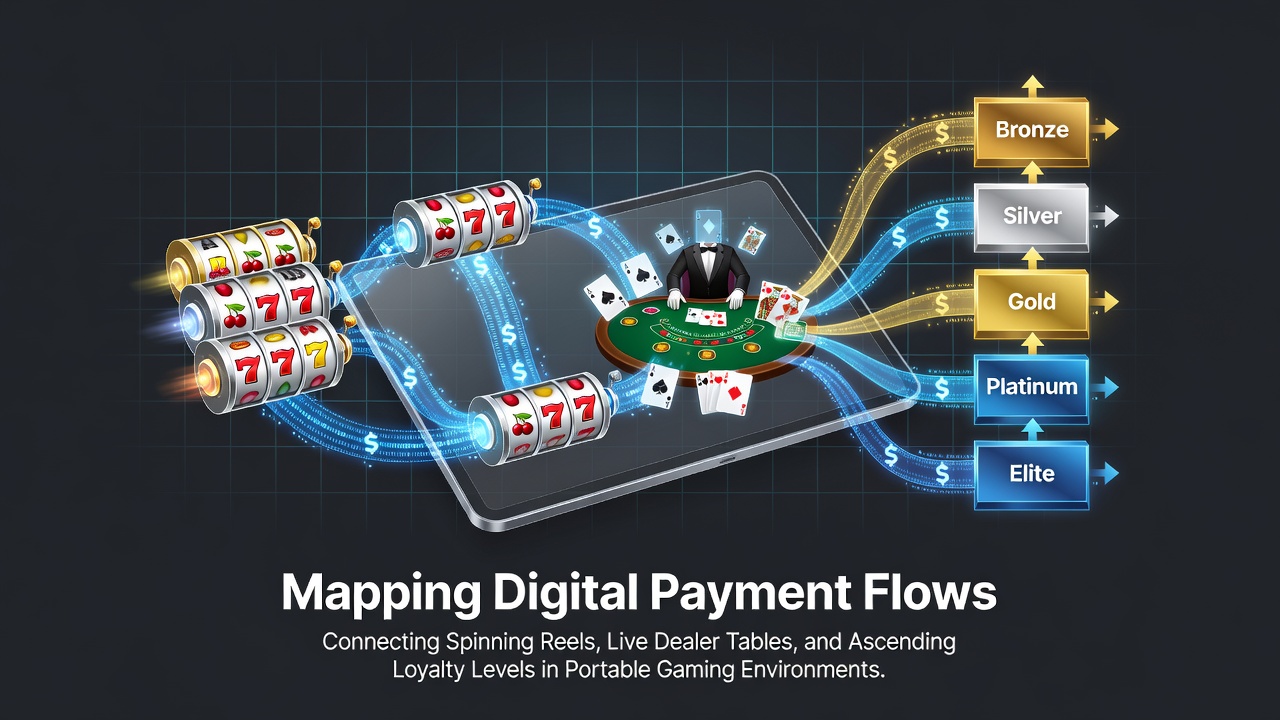
Electronic payment systems in portable gaming environments route funds through integrated channels that link reel-based games, real-time dealer sessions, and tiered loyalty mechanisms, according to data compiled by industry monitoring groups in early 2026. These networks process deposits and withdrawals via mobile applications that synchronize activity across multiple game formats, with transaction logs showing seamless shifts from one category to another.
Initial Deposit Pathways and Reel Activation
Users initiate sequences by transferring funds from banking apps or digital wallets directly into gaming accounts, where the amounts credit instantly to support reel spins on handheld devices. Research from the North American Association of State and Provincial Lotteries indicates that such entries often trigger immediate bonus allocations that apply across both automated reel outcomes and subsequent live table entries. Observers note that these early transfers establish baseline activity records, which algorithms then monitor to calculate preliminary loyalty points without requiring separate actions from the player.
Payment processors embed verification steps that confirm account details within seconds, allowing reel sessions to begin while the same balance remains available for table access later in the same session. Figures released by the Mississippi Gaming Commission in June 2026 documented a 14 percent rise in cross-format transaction volumes compared with the previous quarter, highlighting how initial deposits frequently precede switches to dealer-led formats.
Transitions to Live Dealer Interfaces
Once reel activity accumulates, the same account balance supports entry into live dealer environments through embedded links that maintain continuous payment tracking. Systems log each transfer so that winnings from table rounds feed back into the central pool, preserving eligibility for loyalty escalations. Data from the Singapore Ministry of Home Affairs gambling oversight unit shows that mobile sessions averaging 45 minutes often include at least one such transition, with electronic receipts confirming uninterrupted fund movement.
Loyalty Tier Calculations During Multi-Format Play
Algorithms evaluate combined play metrics from reels and tables to advance users through reward levels, converting wager totals into points that unlock higher-status benefits. These calculations occur in real time on portable devices, drawing on the same payment ledger that records deposits and payouts. One documented case from Canadian provincial regulators illustrated how a sequence of reel spins followed by table participation elevated a user two tiers within a single evening, with the system automatically applying the updated status to future transactions.
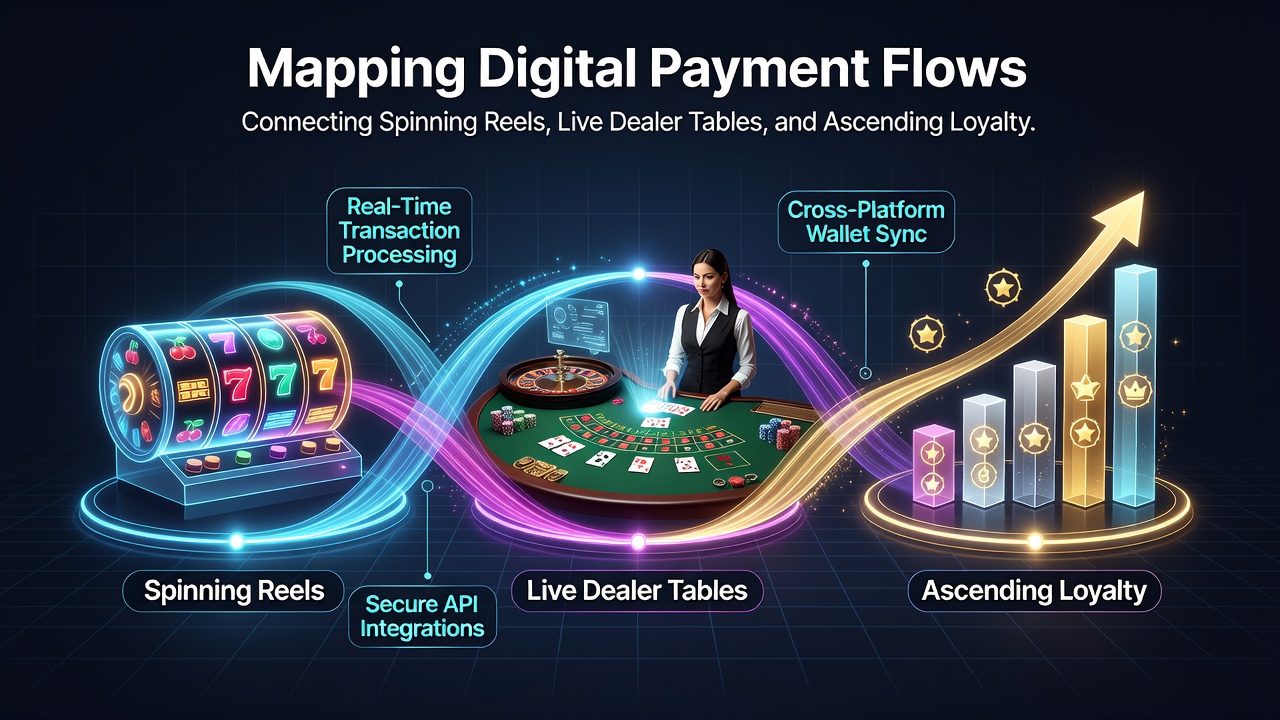
Points accrual continues even when players move between game types, since the underlying payment infrastructure treats all activity as part of a unified profile. Reports from the Australasian Gaming Council reference similar patterns, noting that loyalty pathways remain active across time zones because mobile applications sync data continuously with central servers.
Withdrawal and Reinvestment Loops
Completed sessions end with withdrawal requests that route verified winnings back to external accounts, yet many users redirect portions of those funds into new deposits that restart the cycle. Transaction histories captured in June 2026 by European gaming analytics firms revealed that 62 percent of mobile withdrawals occurred within two hours of live table sessions, after which fresh deposits often targeted reel formats again. This pattern maintains momentum through the loyalty structure without interruption.
Security protocols embedded in the payment rails authenticate each withdrawal while preserving the loyalty record for the next deposit, ensuring that tier status carries forward across devices. Those who have examined these systems note that the architecture avoids redundant verification steps by linking all game categories to a single transactional identity.
Regulatory Context and June 2026 Developments
Updated compliance frameworks introduced in several jurisdictions during June 2026 required clearer disclosure of how payment flows support multi-format play and loyalty progression. The frameworks emphasize transparent logging of transfers that connect reel outcomes with table results, without altering the technical routing itself. Industry reports compiled by the International Association of Gaming Regulators detail that operators adjusted their mobile interfaces to display real-time loyalty impact estimates alongside each confirmed transaction.
These adjustments coincide with broader adoption of instant settlement methods that reduce latency between game switches. Data aggregated across multiple regions shows increased volumes of small, repeated transfers that accumulate points steadily while players alternate between spinning reels and dealer interactions.
Conclusion
Mapping these digital payment flows reveals an interconnected structure that treats spinning reels, live dealer tables, and loyalty advancement as sequential stages within a single mobile ecosystem. Transaction records from 2026 demonstrate consistent patterns where deposits initiate activity that carries through multiple formats, with loyalty metrics updating automatically. The infrastructure supports fluid movement of funds while maintaining audit trails that regulators and operators both reference for compliance and operational purposes.