30 May 2026
Incentive Sequences Sparking Live Dealer Engagements on Handheld Devices Through Varied Transaction Methods
 Data from multiple jurisdictions shows that structured incentive sequences often connect initial deposits to sustained participation in live dealer formats on mobile devices, and these pathways rely on the availability of diverse transaction options to maintain momentum. Observers note that operators design these sequences to align promotional triggers with real-time table interactions, where players move from bonus activation directly into dealer-led sessions without interruption. Research indicates that transaction variety plays a central role in this process. Methods such as instant bank transfers, e-wallets, and prepaid cards allow users to complete funding steps quickly, which in turn supports the flow from incentive claims to active gameplay. According to reports compiled by the Nevada Gaming Control Board, mobile sessions involving live dealer tables demonstrate higher continuation rates when payment options accommodate immediate re-deposits following bonus usage.
Mapping the Incentive Chain
Operators structure incentives as sequential stages that build upon one another, beginning with welcome offers and progressing through reload bonuses or cashback mechanisms. Those who have examined user behavior patterns find that each stage incorporates conditions tied to live dealer participation, such as minimum wagers at specific tables or time-bound challenges that encourage portable access. This creates a pathway where the completion of one incentive unlocks parameters for the next, sustaining engagement across handheld platforms.
Studies from academic sources, including analyses conducted at the University of Nevada, Las Vegas, reveal that players frequently transition from slot-based incentives to table environments once initial wagering requirements are met. The portability of these sequences depends on seamless integration with mobile interfaces, where transaction confirmations occur within seconds rather than minutes, reducing drop-off points between stages.
Transaction Variety as the Connector
Evidence suggests that platforms offering multiple transaction types experience smoother progression through incentive sequences. Bank transfers provide reliability for larger amounts, while digital wallets support smaller, repeated actions that align with live dealer pacing. Data collected across North American and European markets shows that users with access to at least four distinct payment categories maintain longer sessions in real-time dealer formats compared to those limited to fewer methods.
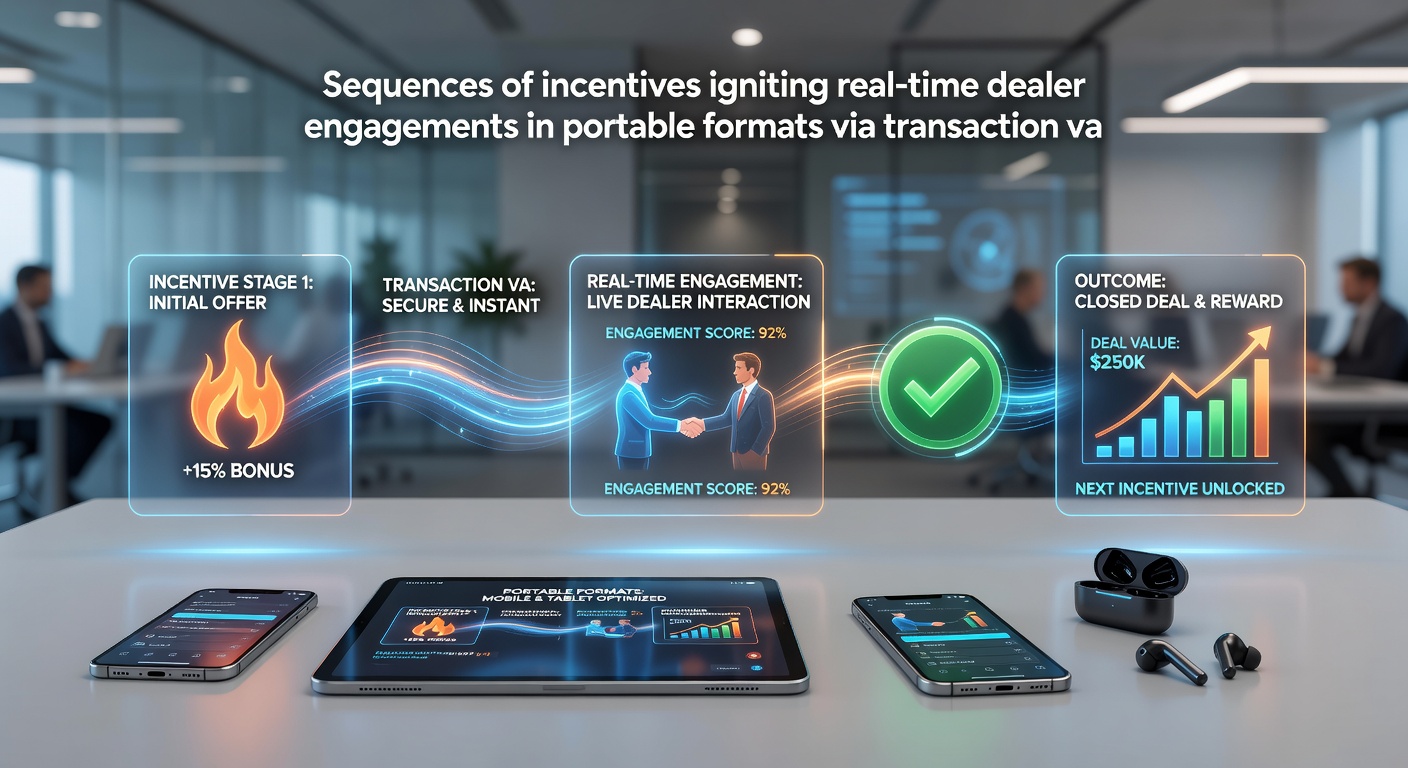
What's notable is how these options interact with device capabilities. Mobile applications now embed payment gateways that verify transactions in the background, allowing players to shift from funding screens to dealer tables without closing the session. Figures released in May 2026 by industry monitoring groups indicate a measurable increase in cross-format activity when operators expand their transaction portfolios to include regional preferences such as instant local bank links alongside established international processors.
Real-Time Dealer Engagement Patterns
Live dealer environments on portable devices benefit directly from these sequenced incentives because they require consistent funding availability. Experts tracking session data observe that players often enter dealer tables immediately after activating a mobile-specific bonus, using the variety of transaction methods to adjust stakes mid-session. This flexibility supports extended participation, particularly during peak hours when tables feature multiple camera angles and interactive elements.
Case examples from operational reports demonstrate that sequences incorporating both deposit matches and cashback on table losses encourage repeated entries into live formats. Those monitoring Australian market trends note similar patterns, where diversified payment access correlates with higher retention in handheld dealer sessions across different incentive tiers.
Developments Observed in Mid-2026
By May 2026, platform updates had incorporated additional transaction layers such as cryptocurrency options alongside traditional methods, further tightening the link between incentive sequences and dealer engagements. Regulatory summaries from bodies like the Danish Gambling Authority highlight that operators adopting these expansions report steadier user flows from promotional triggers into active mobile tables. The integration appears most effective when transaction variety matches the speed of dealer interactions, enabling stake adjustments without leaving the game interface.
Conclusion
Available data across regions confirms that sequences of incentives function as structured pathways that connect initial transactions to ongoing live dealer activity on mobile devices. Transaction variety serves as the operational link, supporting the transition between stages and formats. Observers continue to document these patterns through performance metrics that track session length, format shifts, and payment completion rates, providing a factual basis for understanding how these elements interact in portable environments.